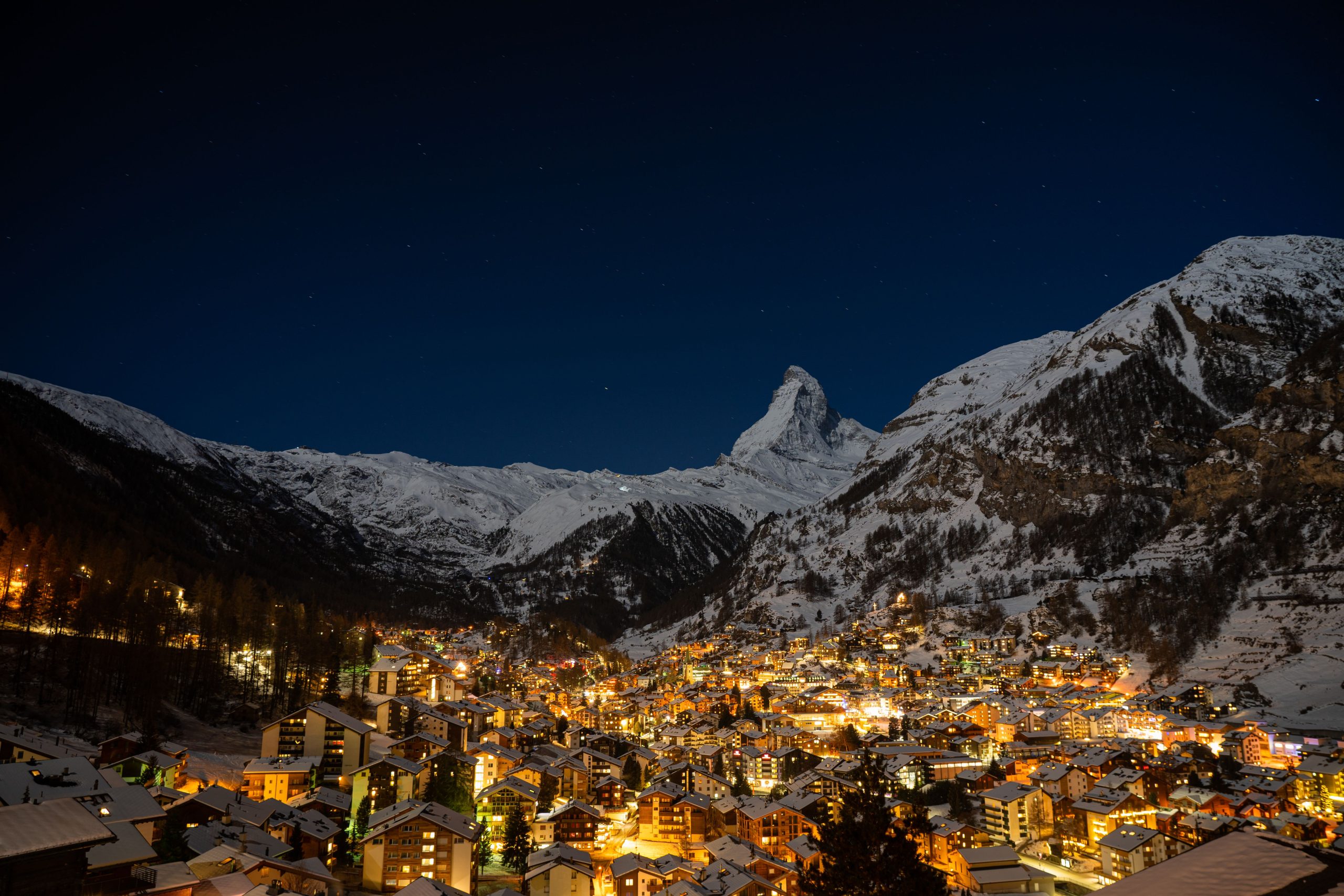
Shortly after noon on September 28, a 55-year-old American man died after falling into a crevasse on the Breithorn Plateau above Zermatt, Switzerland, near the Klein Matterhorn. The Valais cantonal police and the public prosecutor’s office said he had entered a restricted area of the glacier. Emergency responders were alerted and soon found him in the crevasse, but could only recover his body.
We do not know why he entered the closed area, whether he was roped, or whether he was with a guide. The reports we have seen do not say, and an investigation has been opened to establish what happened. We are not going to speculate. What we can do is explain what a glacier is, and why it is the kind of terrain where a trained guide earns the fee.
A glacier moves, and it hides its hazards
A glacier is a river of ice. It flows under its own weight, and as it moves over uneven ground it cracks. Those cracks are crevasses, and they can be deep, narrow and difficult to see. Snow can bridge a crevasse and look like solid ground. In winter and spring, a deep snowpack can hide them. In late summer and autumn, they may be more exposed, but new snow can cover them again.
That is why the rule on a glacier is not to judge by the surface. It is to travel with a rope team, with training and a plan. Guides read the glacier for the safest line, space the team on the rope so one fall can be arrested by the others, and carry the equipment for a crevasse rescue. A person who walks onto a glacier without those tools is relying on luck.
What a restricted area means
Lift-served glaciers in the Alps have marked routes and closed areas. Areas that look like a gentle plateau can be closed for a reason: crevasse fields, rockfall, or conditions that change from week to week. The closures exist because the mountain is not uniform. A sign or a rope line is not a suggestion, and it does not mean the area is safe for a person who has simply been careful.
Guides and the standard of training
Glacier travel is a specific skill set. Mountain guides trained to international standards, for example through the International Federation of Mountain Guides Associations (IFMGA), learn glacier travel, crevasse rescue and route finding as part of their certification. Our certification glossary explains the credentials you will see in North America and abroad.
If you are planning to climb or ski a glaciated peak, whether in the Alps, the Cascades or Alaska, hiring a guide is not a luxury. It is the plan. Ask the questions in our guide on what to ask your guide before you go, and make sure they tell you how they handle crevasse hazards, who carries the rescue gear and what the plan is if conditions change.
What to do before a glacier trip
Hire a certified guide for glaciated terrain. Check their certification and ask about glacier experience.
Learn the basics yourself. A guided day is a good way to learn rope team travel, but do not treat it as a substitute for training if you plan to go on your own.
Respect closures. If an area is marked closed, it is closed.
Check conditions. Glaciers change throughout the season. Local guides know what the glacier looks like this week.
Tell someone your plan. Who you are with, where you are going and when you expect to be back.
Looking for a guide in the Alps?
Many guides who work in Zermatt and elsewhere in the Alps are on MEETR. See finding a ski instructor or guide in Zermatt, and browse the full set of mountain guides at meetr.pro.
Frequently asked questions
Why are crevasses dangerous even on a flat glacier plateau?
Snow can bridge a crevasse and hide it, so flat ground can still be dangerous. Guides use rope teams and training to manage that.
Do I need a guide to cross a glacier?
For anything beyond marked, open routes, a trained guide is the safest choice, because they carry the rescue equipment and know the glacier.
Sources: blue News, The Local Switzerland.
MEETR is a marketplace for finding outdoor guides and instructors. Search by discipline and location, see the professional before you book, and plan the day with someone who knows the country you are standing in. Find your pro at meetr.pro.



 Climbing & Mountaineering · October 27, 2026
 Climbing & Mountaineering · October 20, 2026
 Climbing & Mountaineering · October 15, 2026
