Anyone who has tried to get a competitive national park reservation knows the feeling. The permits open at a set time, the page is slow, and within minutes they are gone. A new study suggests the winners are not a random cross-section of the public.
The research, by economist Jonathan Hughes of the University of Colorado Boulder, was published in Nature Communications, and CU Boulder’s press materials were dated October 6. We read the Newswise summary and the Alpine Institute’s news roundup. Here is what it found, and what it does not say.
What did the study look at?
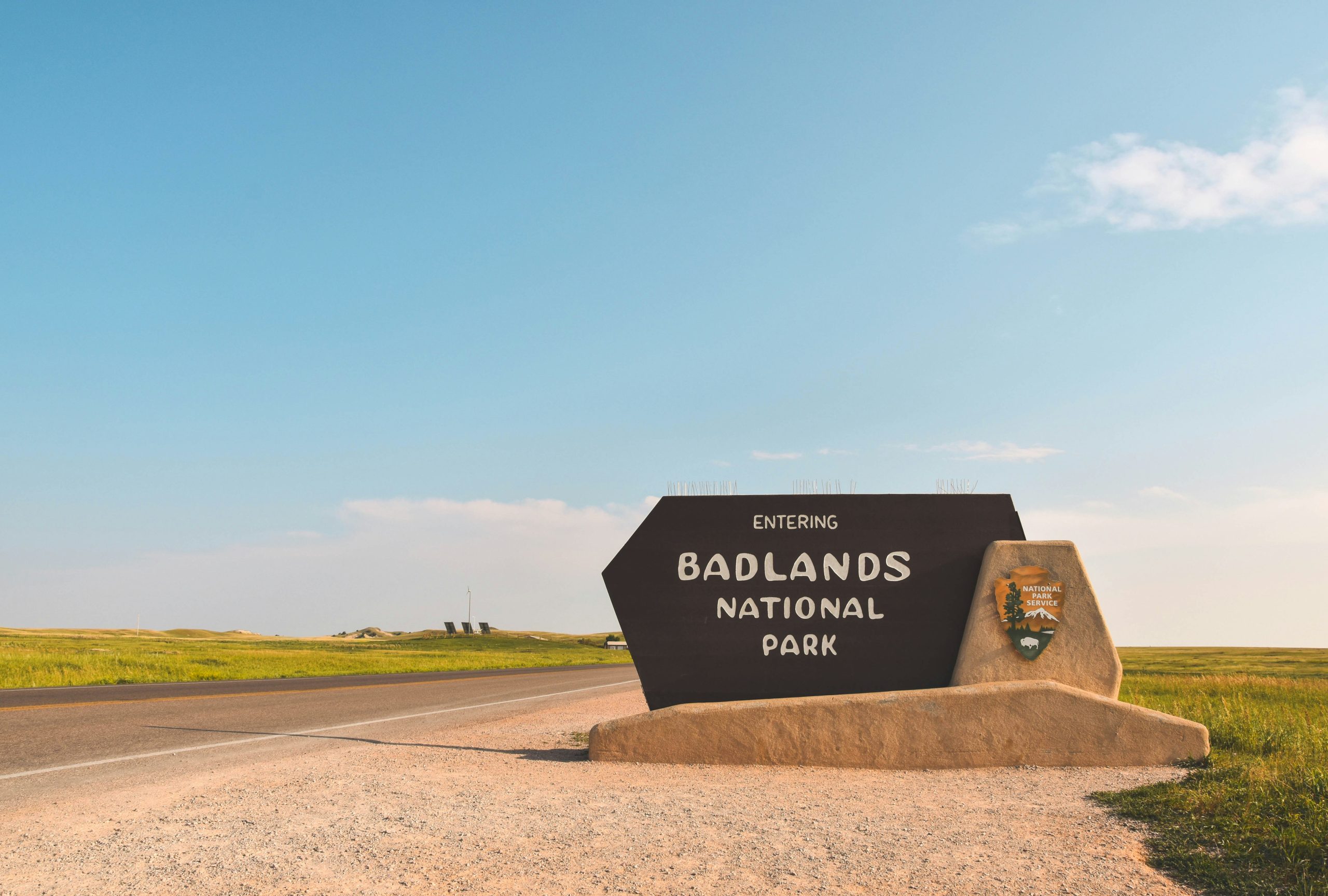
Hughes analyzed about 5 million reservations across 11 reservation systems at seven national parks, including Rocky Mountain, Glacier, and Yosemite. He tracked the ZIP codes linked to the reservations and compared the median household incomes of those areas.
What did it find?
At parks that offer advance reservations, people who secured permits weeks or months ahead came from higher-income areas than people who booked the same day or the day before. For the most competitive permits, where most tickets sell out in roughly five minutes, successful holders came from ZIP codes with median household incomes about 3 to 6 percent higher than those for less competitive reservations.
Two cautions are important. The results are associations, not proof of cause. And because the data is at the ZIP-code level, it cannot show that any individual’s income determined whether they got a permit.
Why might that happen?
The coverage describes possible explanations as speculative. Higher-income visitors may have more flexibility to plan trips months ahead. They may be more familiar with how reservation systems work, and more comfortable with the technology. Hughes also noted that education, age, and race could play a role, though the summary we read does not say those factors were tested.
Why do parks use reservations at all?
Visitation to national parks has risen steadily since about 2013, and it increased further in recent years. Crowds strain infrastructure and ecosystems and make emergency response harder, which is why many parks have moved to timed entry and permit systems. Rocky Mountain National Park’s timed-entry system, for example, ends for the season on October 18.
Hughes’s point, as reported, is that any sign that some people have better access than others sits uneasily with the idea that parks belong to everyone. He noted that the founding language of Yellowstone describes parks as meant for the public, not only for wealthier visitors.
What does this mean for people who hire guides?
This is where we want to be careful. We do not have data on how guided trips compare, and we would not make claims about it. But the question is worth asking, because the way you get into a place changes when you book with a professional.
In many popular places, commercial guiding runs under its own permitting, separate from the individual reservation systems most visitors use. If you are booking a guide, ask them how the trip is permitted and what that means for your dates. A guide who works in a place regularly will usually know how access works there, and will plan around it for you. That is a practical advantage, not a loophole, and it comes with a fee.
It also helps with the other barrier the study hints at, which is knowledge. Knowing when to try, which routes are less crowded, and what the alternatives are is part of what you pay a local professional for. Our guide checklist includes the permit and logistics questions we think every customer should ask, and our guide for hikers and backpackers goes deeper.
How might a fairer system work?
The study as reported does not recommend a fix, so we will not pretend it does. But it helps to know the options land managers have used. Some parks release permits in a lottery, which rewards patience over speed. Some sell them first come, first served at a set time, which rewards fast connections and technical comfort. Some hold back a share for same-day or next-day release, which rewards flexibility and local proximity. Each approach moves the advantage to a different group of people, and none of them is neutral.
That is the real value of a study like this one. It does not tell managers what to do, but it gives them a way to measure who a system actually serves, which is a prerequisite for changing it. For a park system that is trying to protect places and keep them open to everyone, that is useful information.
What can visitors do if they cannot win a permit?
Some practical options, none of them perfect.
Go on a weekday or off-season. Demand falls sharply outside peak windows.
Look for places without reservation systems. National forests and nearby public lands often have less competition.
Ask a local. A guide or instructor who lives nearby can often suggest an alternative that fits your goals better than the famous trailhead. We wrote about the broader shift in our piece on why more Americans are hiring guides.
Pay attention to the policy debate. Our piece on the public lands fight covers a related set of questions about who gets to use public land.
What should we take from this?
One study does not settle how national parks should allocate access. It does add useful data to a question that is only going to get harder as visitation grows. For anyone who spends time outdoors, the takeaway is simple: planning earlier and knowing the system helps, and a good local professional is one way to get both.
MEETR is a marketplace for finding outdoor guides and instructors. Search by discipline and location, see the professional before you book, and plan the day with someone who knows the country you are standing in. Find your pro at meetr.pro.


 390 Hollyberry Lane...